This is not just a maintenance issue — it is a system reliability and safety issue.
The difference is not just in outcomes. It is in the entire cost, safety, and downtime profile of the incident.
This article is not an argument against full-room fire suppression systems. They remain an essential component of any thermal oil plant’s fire protection strategy, the last line of defense when all other measures have been exhausted.
The argument is for layered protection: recognizing that room-level suppression and pump-level protection serve fundamentally different functions, and that one without the other leaves a critical gap in thermal fluid system safety.
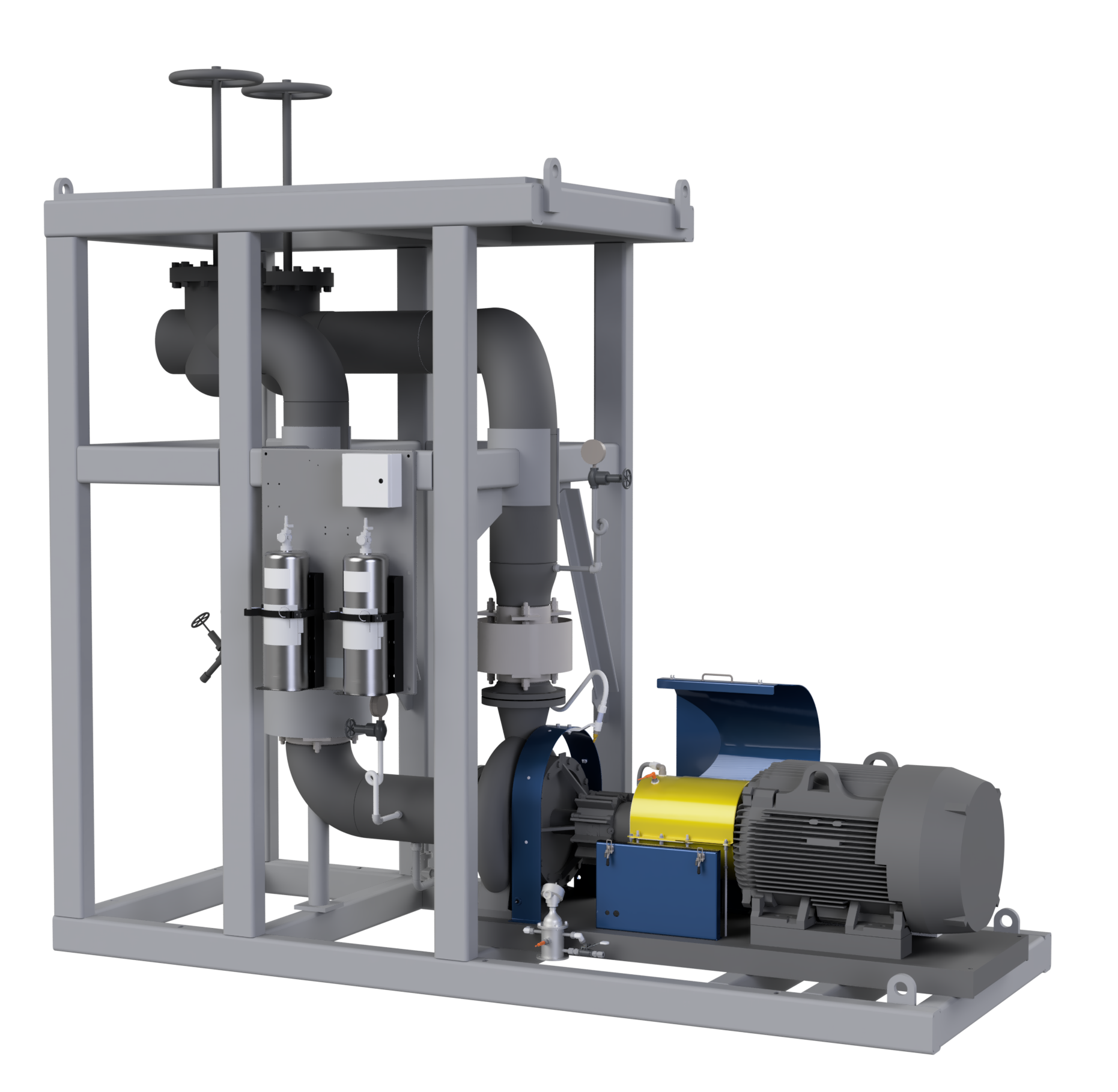
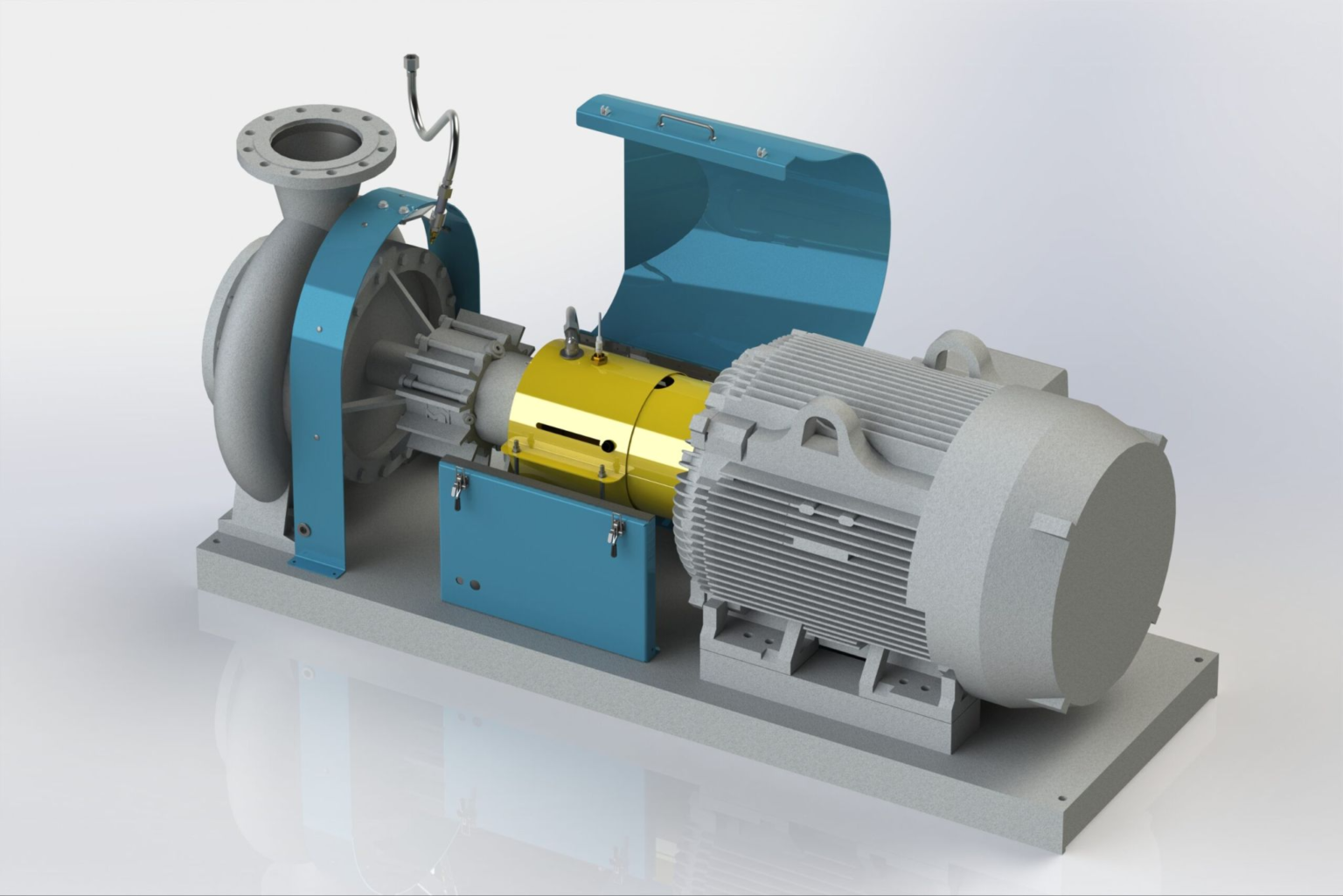
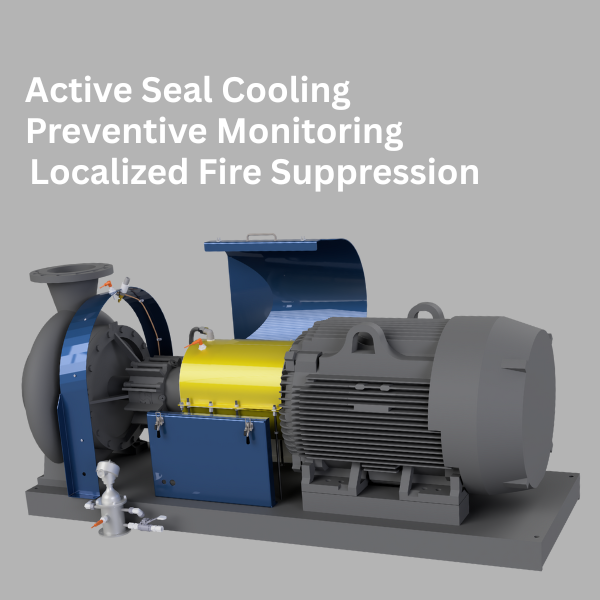
Full-room suppression handles the scenario where a thermal oil fire has already ignited and must be contained. Pump-level protection, through active seal cooling, continuous condition monitoring, and localized fire suppression, addresses the scenario where failure is developing and prevention is still possible.
Together, they create a complete thermal oil fire protection architecture. Separately, room-level suppression alone means that every pump fire in your facility will run its full course before any protective response begins.
“We chose PumpGuard because it’s a complete, robust system linked to our PLCs. It detects issues early, preventing damage, rather than just reacting after problems arise.” — Alexandre Ouellette, Plant Manager, Roseburg Forest Products
If you’re seeing early signs of seal issues or temperature rise, it may already indicate underlying risk.