Pump seal failures are frequently viewed as routine maintenance events—an expected part of operating thermal oil systems. Replacement seals, labor hours, and a brief outage are often assumed to be the full extent of the impact.
In reality, the true cost of pump seal failures in thermal oil systems extends far beyond the immediate repair. When seals fail, they introduce risks that affect safety, production continuity, regulatory exposure, and long-term operating costs.
Understanding these broader impacts is essential for plant managers, maintenance leaders, and EHS teams who are responsible not only for equipment reliability but also for protecting people and production.
Pump seal degradation typically begins gradually and quietly. Small leaks, minor temperature increases, or subtle vibration changes may not immediately disrupt operations. Because the system often continues to run, seal failures are commonly treated as:
This mindset overlooks the fact that in thermal oil systems, even small seal failures can escalate into serious safety and financial events.
The most visible costs associated with a seal failure are typically maintenance-related and include:
While these costs are measurable and budgeted for, they represent only a portion of the total financial impact.
The largest costs associated with pump seal failures are often indirect and unplanned.
Thermal oil systems frequently serve multiple users. When a pump fails unexpectedly:
In high-throughput operations, downtime costs can reach tens of thousands of dollars per hour.
Seal failures increase the risk of thermal oil leakage and ignition. Even when a fire is contained, recovery typically involves:
These activities extend downtime well beyond the initial failure.
Pump seal failures that result in leaks or fires can trigger broader consequences:
Over time, repeated incidents can affect a facility’s safety record and operating flexibility.
Reactive maintenance strategies focus on responding after failures occur. While this approach may appear cost-effective in the short term, it often leads to:
In thermal oil systems, the cost of reacting to failures consistently exceeds the cost of preventing them.
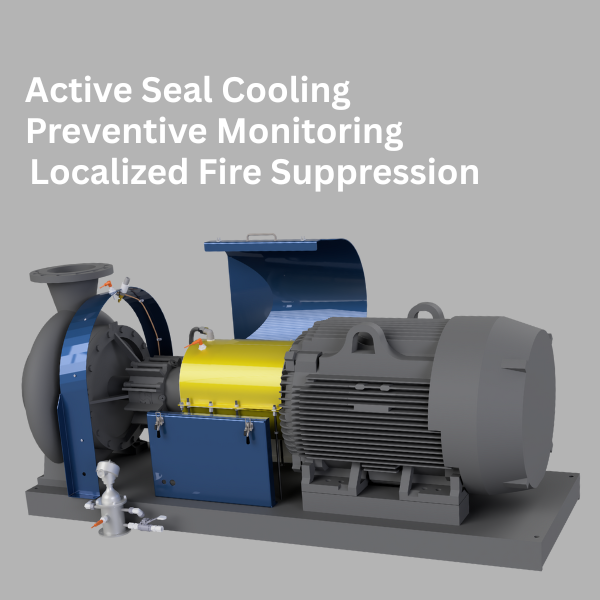
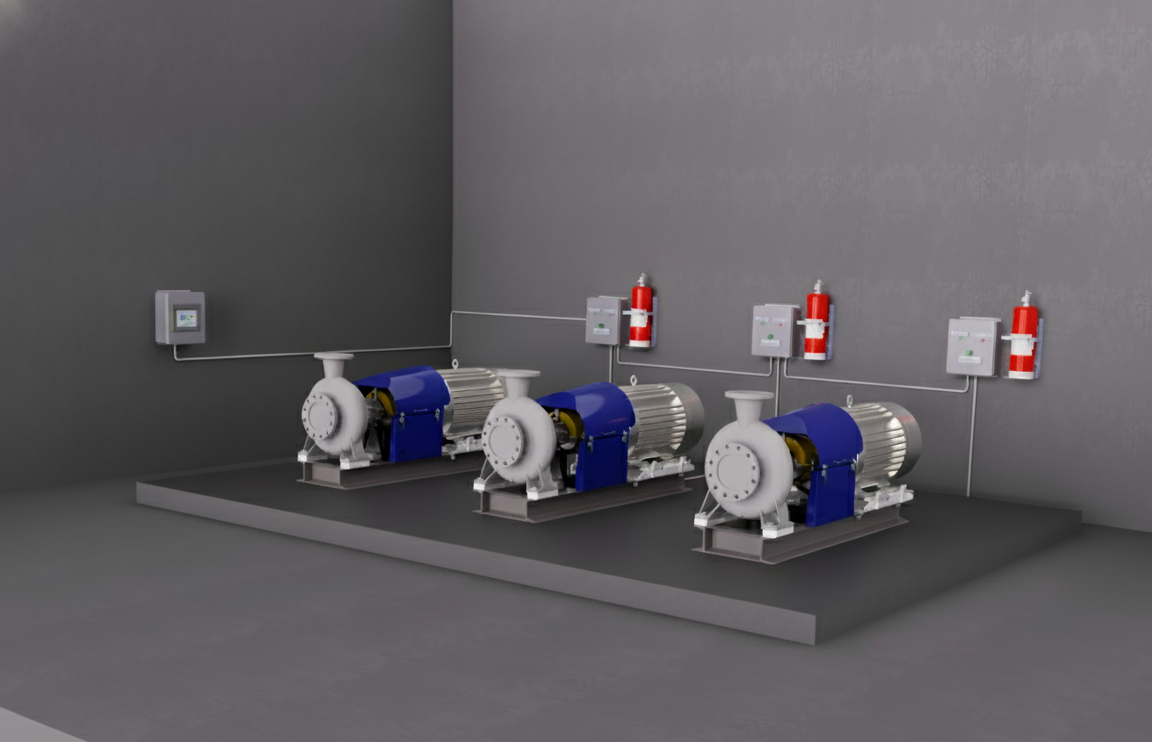
Preventive, pump-level fire protection focuses on addressing seal degradation before it escalates into leakage or ignition.
Localized pump-level fire protection can:
Recognizing the true cost of pump seal failures changes how facilities approach pump safety. Instead of viewing protection as an added expense, it becomes a risk-reduction and cost-control measure.
By focusing on prevention at the pump level, plants can avoid the most expensive outcomes—fires, extended downtime, and recovery events.
Speak with a Wechsler Technologies expert to assess pump-level risk and explore preventive strategies that protect both safety and operating budgets.
Copyright © 2025 Wechsler Technologie’s. All Rights Reserved.