
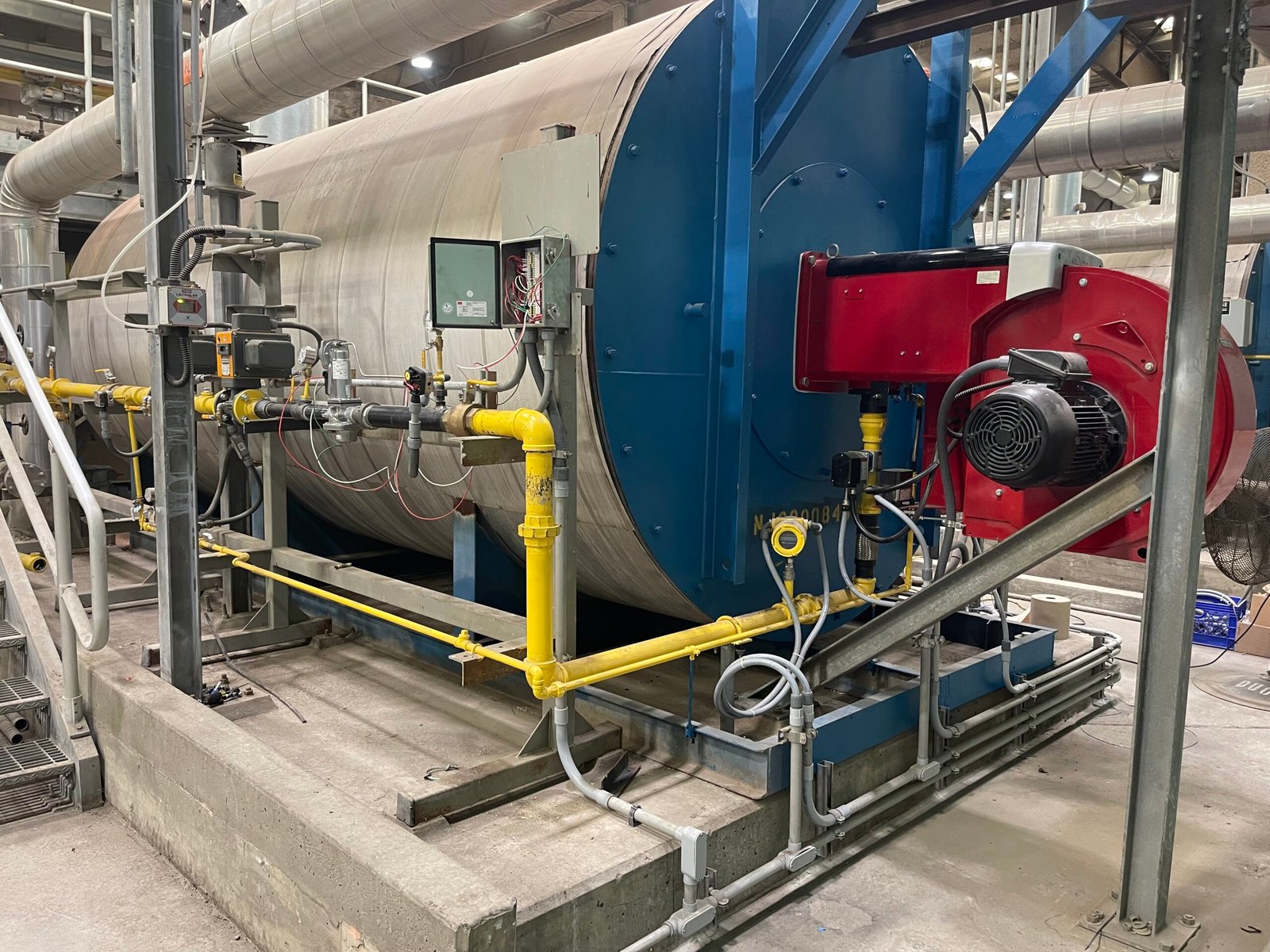
Thermal fluid heating plays a role across nearly every stage of oil and gas operations, from reducing crude oil viscosity for easier pumping and transport, to reboiler and distillation column heating in refineries, to glycol and amine regeneration used to dry natural gas. Wherever a process needs steady, indirect heat at close to atmospheric pressure rather than the complexity of a high-pressure steam system, thermal fluid is often the system of choice.
Crude oil viscosity reduction for easier pumping and transport
Refinery reboilers and distillation columns, where narrow temperature bands directly affect yield and product quality
Glycol and amine regeneration for natural gas drying
Dew point heating
Offshore platform process heating, where liquid-phase systems support glycol regeneration and facility heating in remote locations
The stakes of a thermal fluid pump seal failure are already significant in any industry. In oil and gas operations, where the surrounding process fluids are themselves flammable, that risk compounds. A pump seal fire near hydrocarbon processing equipment is not a risk any operation can treat as routine, and the same early-warning failure pattern, rising bearing temperature and vibration before a visible leak, applies here just as it does in any thermal fluid system.
Refinery equipment, heat exchangers, reactors, separators, and distillation columns, often operates within a narrow temperature band where drift can affect yield or product quality. Thermal fluid systems hold that band without the pressure, weight, and safety overhead that steam systems require, making the pumps that circulate that fluid a critical, continuously running piece of equipment.
PumpGuard layers continuous bearing temperature and vibration monitoring with a nitrogen-charged sensing line around the pump. If a fire does start, targeted foam suppression contains it at the pump itself rather than requiring a broader shutdown of surrounding equipment, an important distinction in a facility where flammable process fluids are present throughout.
Thermal fluid systems reach high operating temperatures at close to atmospheric pressure, avoiding the heavier vessels and additional safety equipment that high-pressure steam systems require, while still maintaining the precise temperature control refinery processes need.
Crude oil viscosity reduction, refinery reboiler and distillation heating, and glycol or amine regeneration for natural gas drying are among the most common applications.
The underlying pump seal failure mechanism is the same across industries, but the presence of flammable process fluids in oil and gas operations raises the consequences of an undetected failure.
We're actively expanding into this sector, applying the same PumpGuard technology already trusted across wood products, food processing, and chemical processing. Talk to a specialist about your operation.