
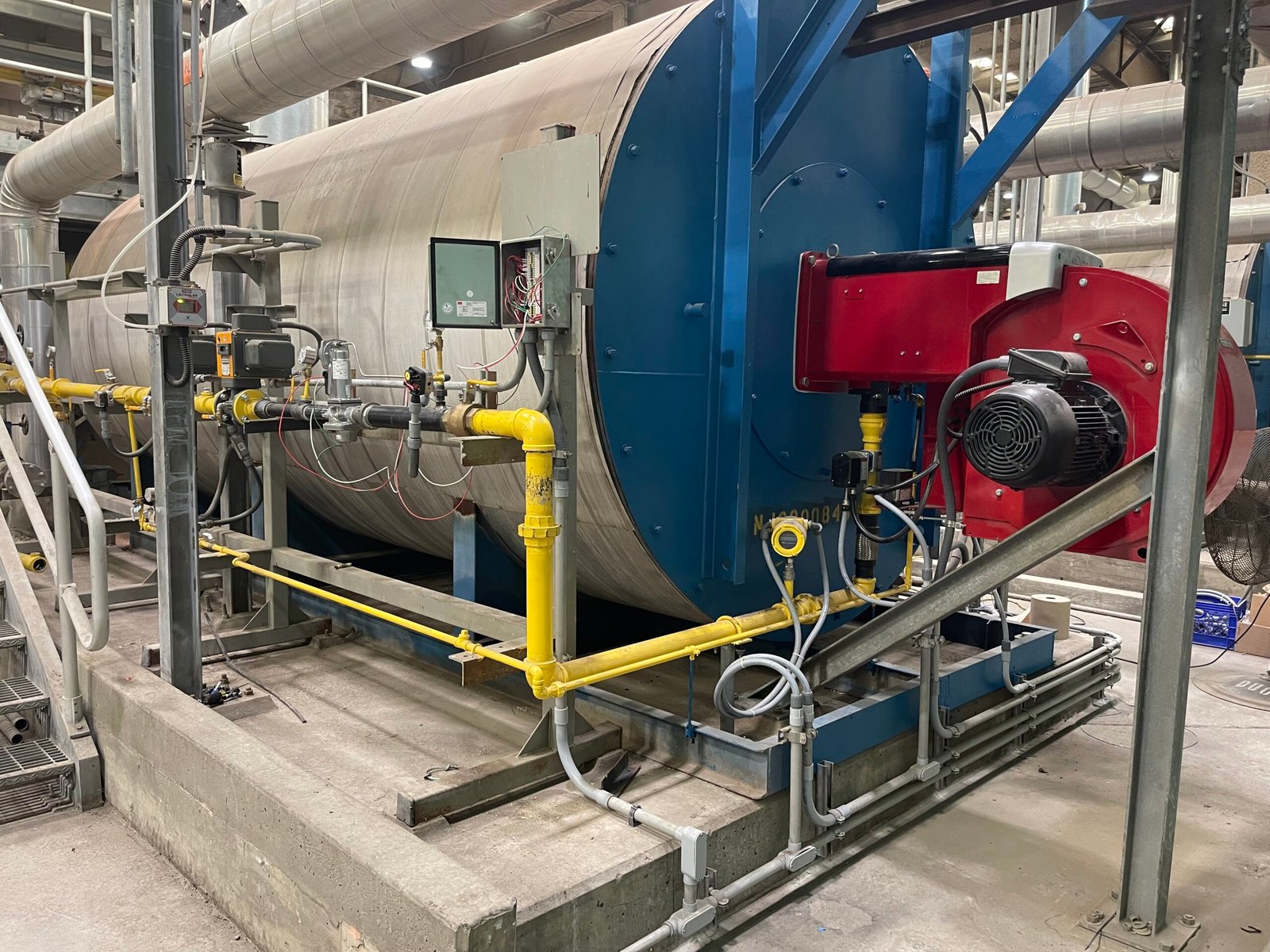
Seven industries, one shared risk: the mechanical seal that keeps thermal oil circulating is also the point where a small leak can become a fire. Built for the plant engineers, reliability managers, and EHS teams who own that risk day to day.
A degrading mechanical seal shows the same early warning, rising bearing temperature and vibration, in every thermal fluid system. But what happens after that failure looks completely different depending on where it happens, which is why a generic pump protection pitch misses the part that actually matters to your plant.
A pump fire near a food line means a sanitation review. Near a biomass boiler, it means a recognized industry hazard. Near an asphalt tank, it means flammable vapor already in the room. Same seal, different consequence.
A plant engineer feels downtime first. An EHS manager feels compliance exposure first. A quality engineer feels a scrapped batch first. We write for whichever one owns the risk in your operation.
We have a decade of named customers in some industries and are actively building track record in others. We tell you which is which rather than presenting all seven as equally proven.
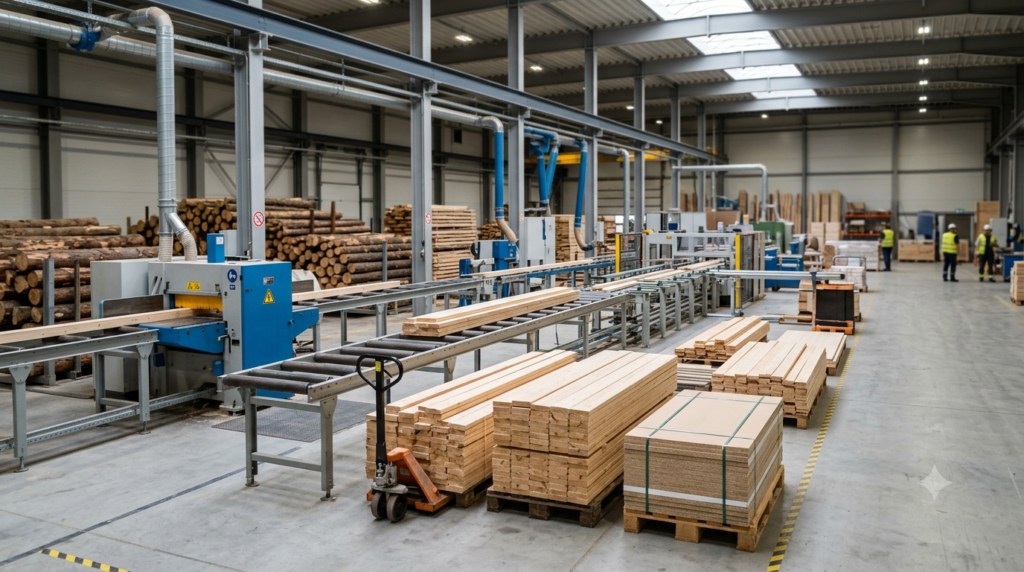
Thermal fluid pump protection for panel, board, and lumber mills running continuous press lines.
For: PlantEengineers, Maintenance Managers
Guide: Pump seal inspection checklist for mills
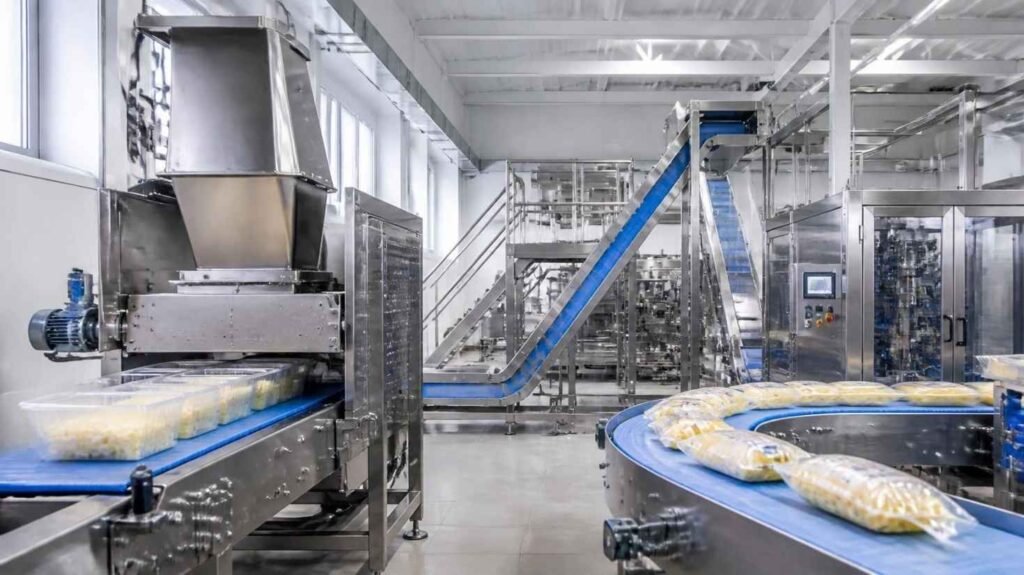
Pump fire protection for cooking, rendering, and sterilizing lines, where contamination risk compounds fire risk.
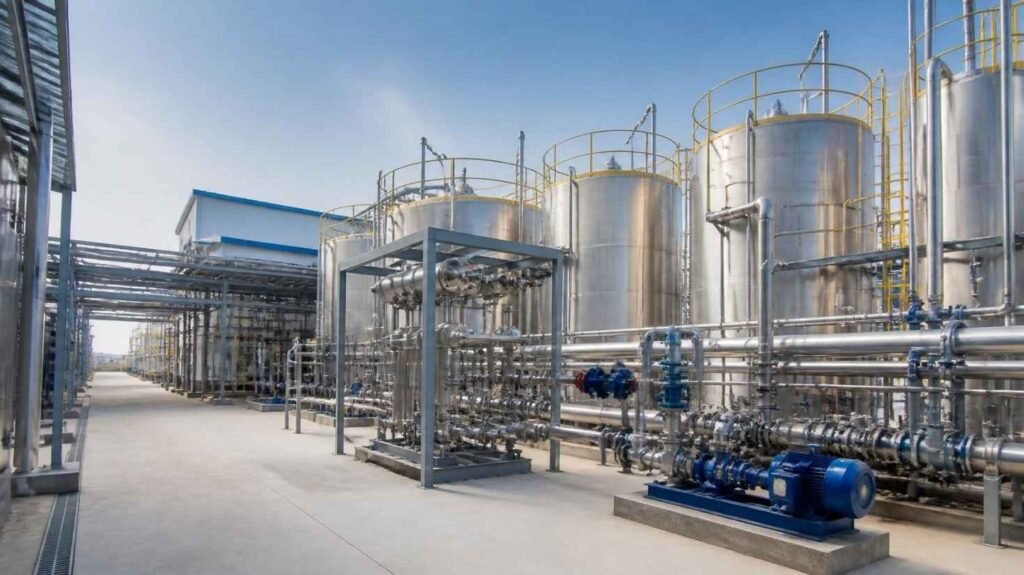
Thermal fluid pump safety for reactor and distillation heating under strict process safety requirements.
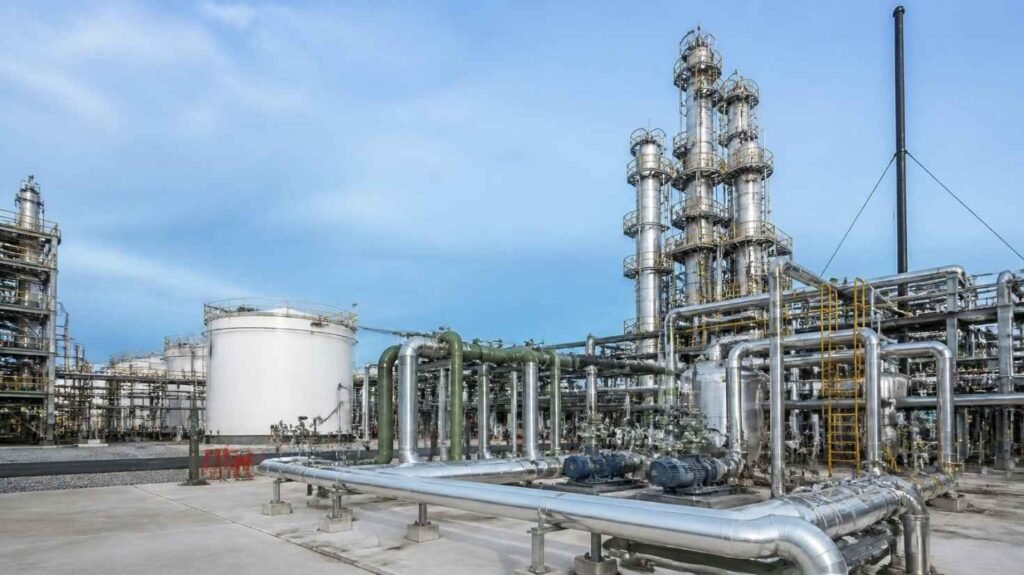
Thermal fluid pump protection for viscosity reduction, reboilers, and glycol regeneration near flammable process fluids.
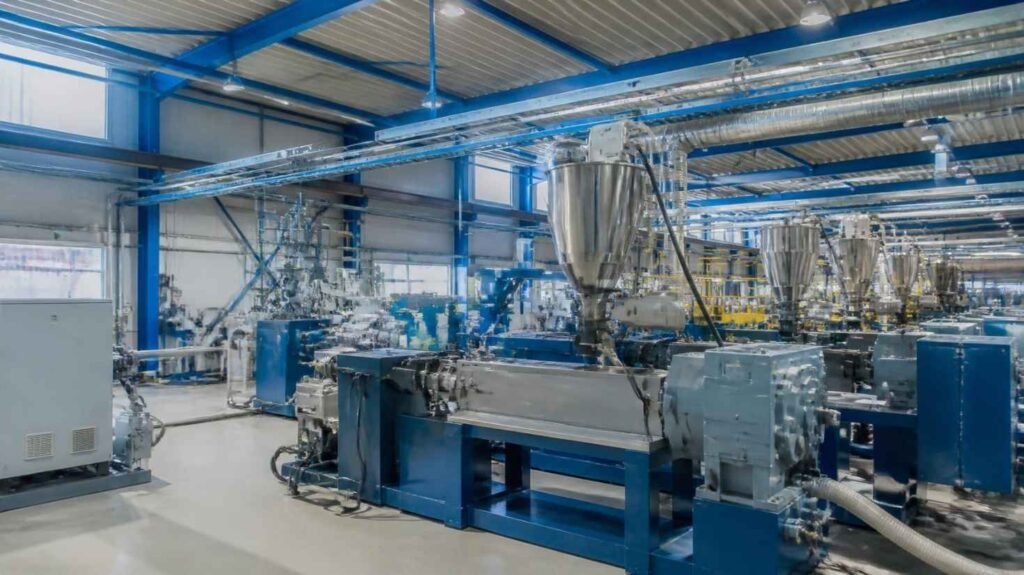
Thermal fluid pump protection for mold temperature control and extrusion, where a degree of drift shows up as a defect.
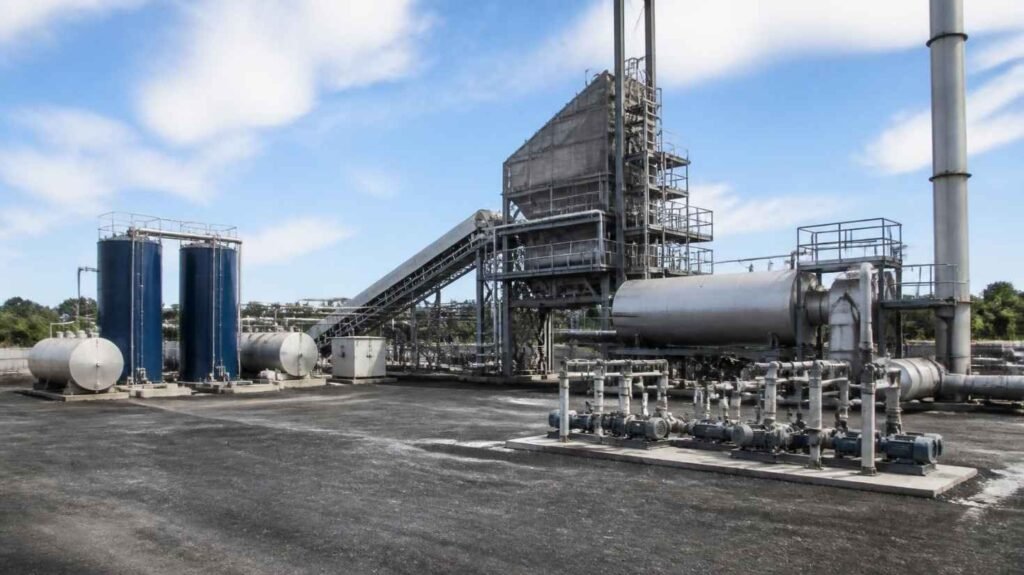
Thermal fluid pump protection for tank and terminal heating that keeps product liquid for handling.
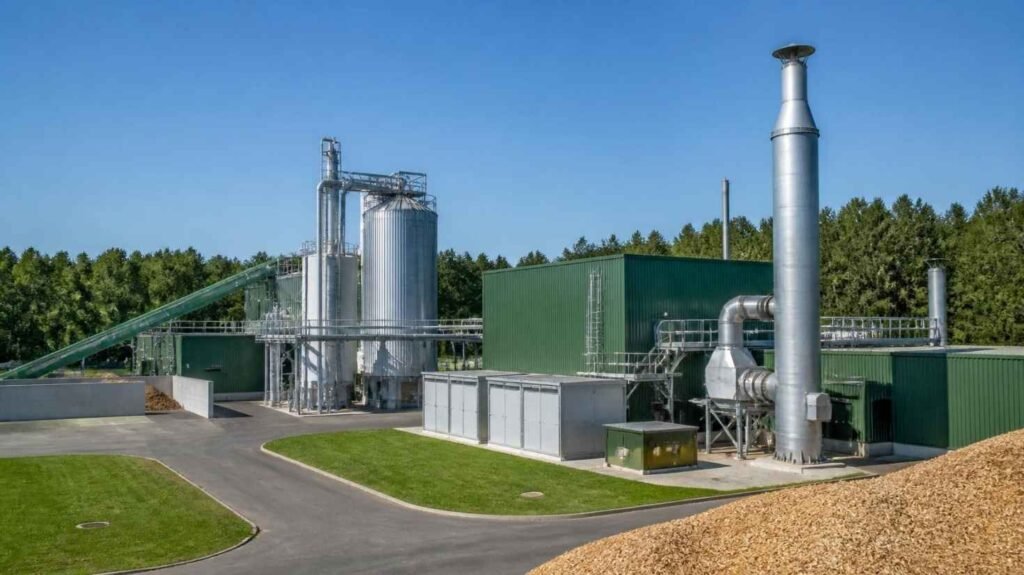
Thermal fluid pump protection for biomass CHP and ORC systems, where thermal oil drives the power cycle itself.
PumpGuard, FluidGuard, and Opti-Therm were shaped by direct field experience with mills and plants, not designed in isolation from the problem. Recognized at PELICE 2026 with the “Perfect 10” award, marking 10 consecutive years of sponsorship and participation in the industry’s own conference.
Ten consecutive years working directly alongside mills and plants to understand where thermal fluid systems actually fail.
Georgia-Pacific, Roseburg, and Tyson Foods run our systems today. We say so, and we say where we don't have that yet.
A process heating partner, not just an equipment supplier, built around the gaps we saw in existing operations.



















The specifics of your process change what a pump failure costs. They do not change how PumpGuard catches it.
01 / Monitor
PumpGuard watches for the measurable rise in temperature and vibration that precedes a seal failure, around the clock, not just at scheduled inspections.
02 / Detect
If fluid does begin to escape, detection happens at the pump itself, before it reaches a hot bearing housing or motor surface, the most common ignition path.
03 / Suppress
If a fire does start, suppression is contained at the pump, not the surrounding process area, so the rest of the line keeps running.
Plant and maintenance teams come to us searching for very specific problems: thermal fluid pump protection for wood products manufacturing, thermal oil pump fire protection for food processing plants, thermal fluid pump safety for chemical processing, thermal fluid pump protection for oil and gas operations, thermal fluid pump protection for injection molding and mold temperature control, thermal fluid pump protection for asphalt storage terminals, and thermal oil pump protection for biomass CHP boilers. Whatever term brought you here, the underlying question is usually the same: is my thermal fluid pump protected against the seal failure that leads to fire, and is that protection built for how my industry actually runs.
Any process needing precise, high-temperature indirect heat at low pressure. That spans wood products, food processing, chemical and petrochemical processing, oil and gas, plastics and polymer processing, asphalt and bitumen handling, and biomass energy systems, the seven we cover here.
If your process circulates thermal fluid continuously through a pump with a mechanical seal, the seal failure risk PumpGuard addresses applies, regardless of industry. Talk to a specialist about your specific system.
No. We have named, long-standing accounts in wood products and food processing, established relationships in chemical processing, and are actively expanding into oil and gas, plastics, asphalt, and renewable energy. We are direct about which stage each industry is at.
Thermal fluid reaches high temperatures at close to atmospheric pressure, avoiding the heavier vessels and added safety equipment steam systems need at the same temperature. That is why it has become the preferred choice across most of the industries on this page.
Installation is designed to fit around a planned maintenance window rather than requiring an extended, dedicated shutdown. The exact timeline depends on your specific pump configuration, talk to a specialist about scheduling.
Yes. FluidGuard addresses thermal fluid degradation and flash point recovery, Opti-Therm covers thermal fluid heaters, and our STAR Program and Annual Service Program support ongoing system health. PumpGuard is our starting point on this page because pump protection is the risk every industry here shares.
Get practical insights, updates, and expert tips to help you improve pump performance, reduce downtime, and make better system decisions.
Send us your system details and we will tell you honestly whether PumpGuard is a fit before you spend time on a quote.