Fire safety is an ever-present concern for operators of thermal oil heating systems, and food processing plants carry a distinct version of that concern.
A rendering line running on schedule. A seal on the thermal fluid pump has been leaking slightly for weeks, just enough to raise bearing temperature but not enough to trip an alarm on a system with no continuous monitoring. Then a shift change, a moment of higher vibration, and the leak finds a hot surface. The line is down for the rest of the shift, and the area needs a full inspection and sanitation check before anyone can restart it. Nothing about this is unusual. It is the ordinary way a small mechanical issue becomes a full production loss in a food plant
Cooking, frying, rendering, drying, and sterilizing all depend on precise, indirect heat, and thermal oil is often the safest and most efficient way to deliver it compared to direct-fired alternatives. The pumps that circulate that fluid are mechanically simple but easy to overlook, right up until one of them fails, which is exactly the gap pump seal failures tend to exploit.
That failure carries different stakes in a food plant than almost anywhere else. A pump seal fire near a production line does not just damage equipment. It can pull a certified, food-grade area out of service for inspection, cleaning, and requalification before anyone can restart production.
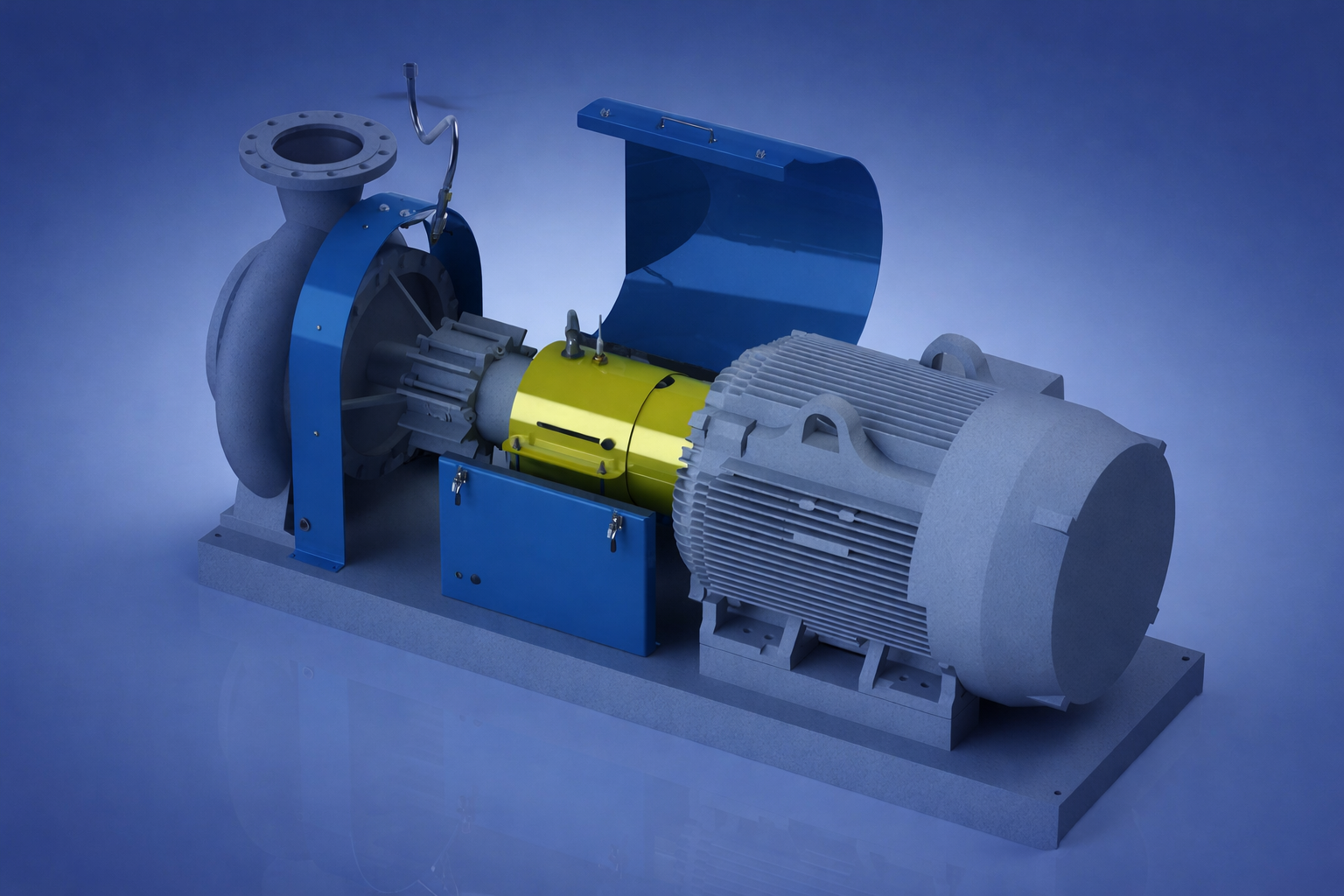
A mechanical seal keeps thermal oil contained around a rotating shaft. Misalignment, bearing wear, or gradual thermal fluid oxidation all increase friction at that seal over time. As friction rises, so does local temperature, and a seal that is beginning to fail typically shows measurable heat and vibration changes well before it leaks visibly.
Once a leak does occur, the risk depends on what the fluid contacts. Thermal oil has a flash point, and a leak reaching a hot bearing housing or motor surface is the most common ignition path for a pump seal fire. This is a known, well-documented failure mode in thermal fluid systems, explored in more depth in what happens when pump seal failures go unaddressed, not a rare edge case.
Seal wear is not the only path to a fire. A loss of flow through the heater, caused by a pump failure, a coupling failure, or a malfunctioning control valve, can also lead to ignition if the safety interlocks that shut the heat source down are not maintained or are bypassed. When flow drops and the heater stays energized, tubing and piping can overheat rapidly, and the fluid can ignite as soon as it is exposed to air. This is a separate risk from seal degradation, but it shares the same root cause: a mechanical warning sign that goes unmonitored long enough to become a fire.
Most facilities schedule pump inspections around planned shutdowns, which works reasonably well for wear items on a predictable timeline. Seal degradation does not follow a predictable timeline. It follows use, vibration, and fluid condition, all of which can shift meaningfully between one shutdown and the next.
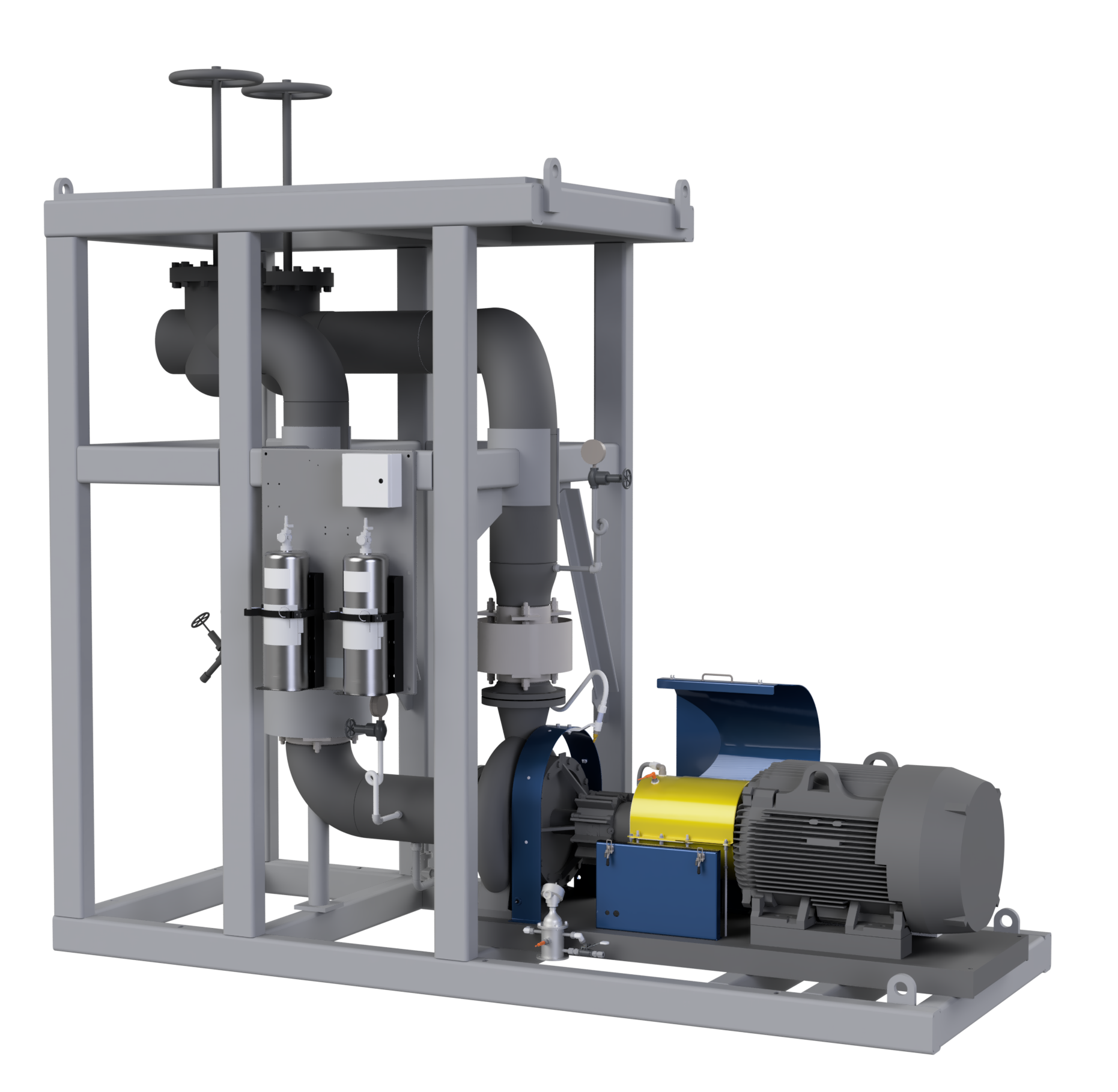
A system that continuously tracks bearing temperature (via an RTD sensor) and vibration catches that shift as it happens, not at the next scheduled check. Pairing that with a nitrogen-charged sensing line around the pump adds a second layer: if a fire does start, the loss of pressure in that line signals a pressure switch, which triggers a targeted foam release at the coupling guard itself, not the surrounding room. This is the layered approach behind PumpGuard’s three layers of protection. For a food plant, the room-versus-equipment distinction is not a minor technical detail. Suppressant flooding an entire production area is its own contamination and cleanup event, on top of the fire.
A quick pump protection review can tell you whether your seals, sensors, and suppression coverage are keeping pace with how the system actually runs.
In most industrial settings, a pump failure means a production stoppage and a parts order, often solved with a spare parts inventory that’s already stocked rather than sourced after the fact. In a food processing plant, a failure typically also means a sanitation review of the affected area, a delayed batch, and in some cases a missed shipping window tied to shelf life. Audit and regulatory documentation requirements add a layer of paperwork that most other industries do not carry. The mechanical repair might take an afternoon. Getting the line back to a certified, audit-ready state can take considerably longer than the repair itself.
If it has been a while since your thermal fluid pumps had a dedicated safety review, now is a good time to check.